Amidst discussions of the present-day conjuncture of socioeconomic, political, and environmental crises, our research project takes a historical approach to polycrisis and the theoretical reflections engendered by it.
We contend that the under-researched theoretical practices of state socialist Europe were not mere reflections of the failure of its modernization project but specific forms of response to a state of interconnected crises in the 1970s and 1980s: the monetary and debt crises; internal crises of political legitimation and cultural pessimism; and the looming environmental crisis.
Philosophical and theoretical reflections of these circumstances during state socialism should not be treated in national isolation or only as part of the history of individual disciplines.
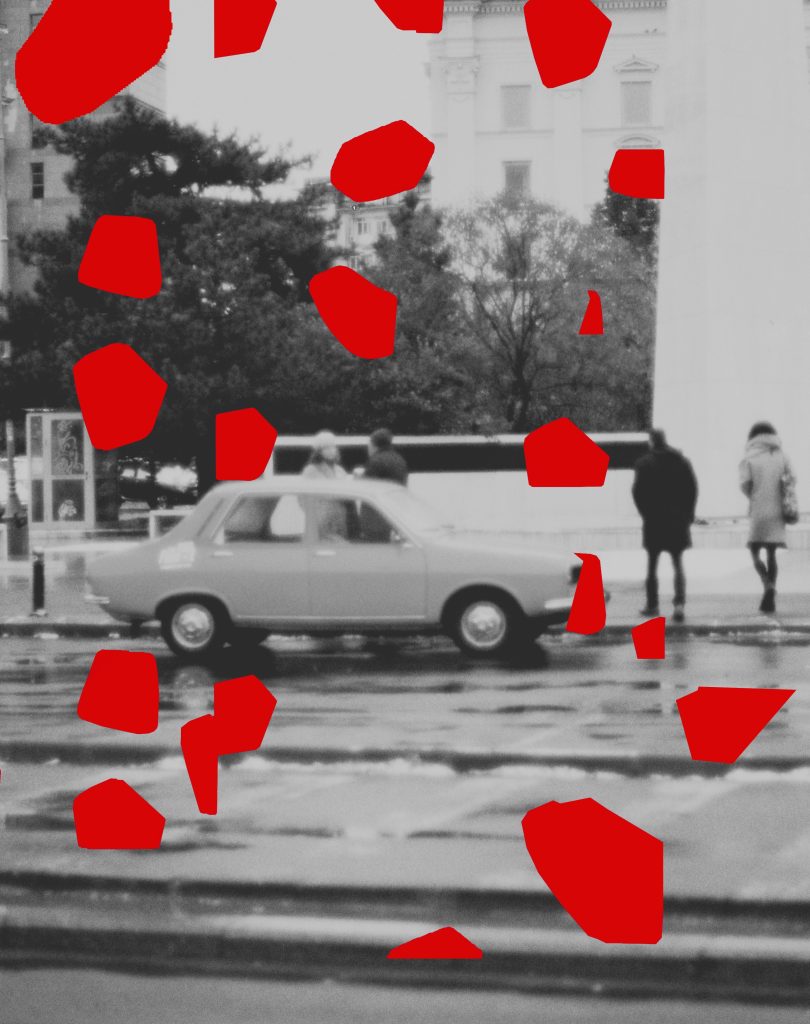
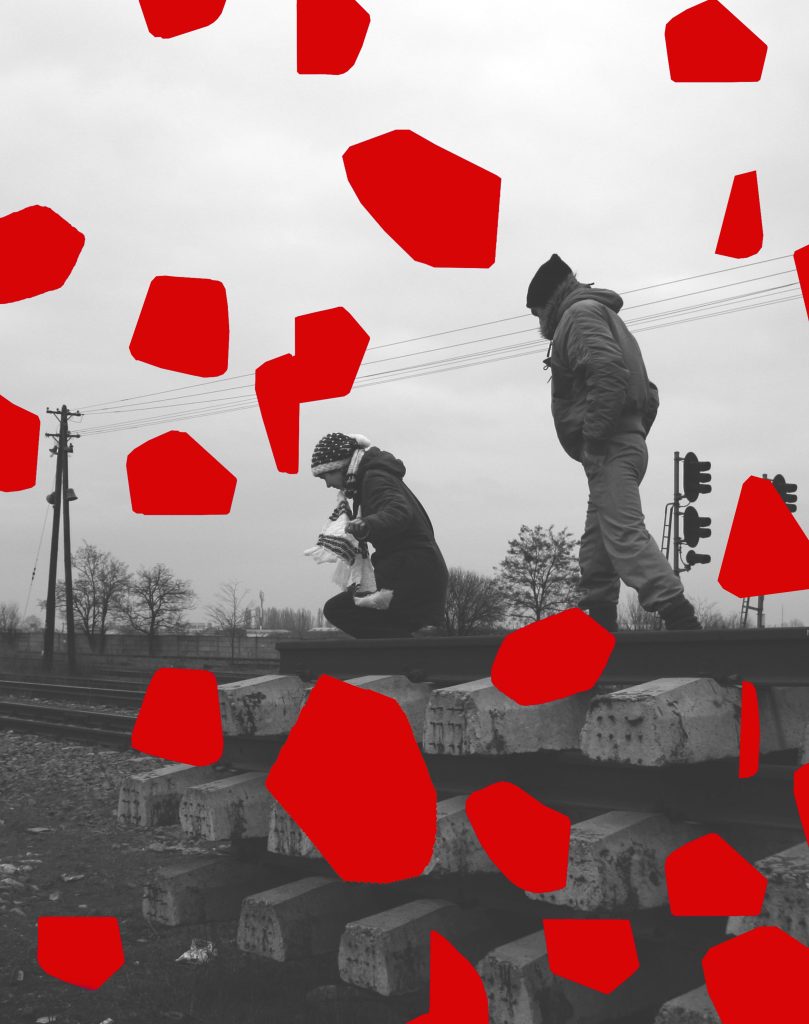

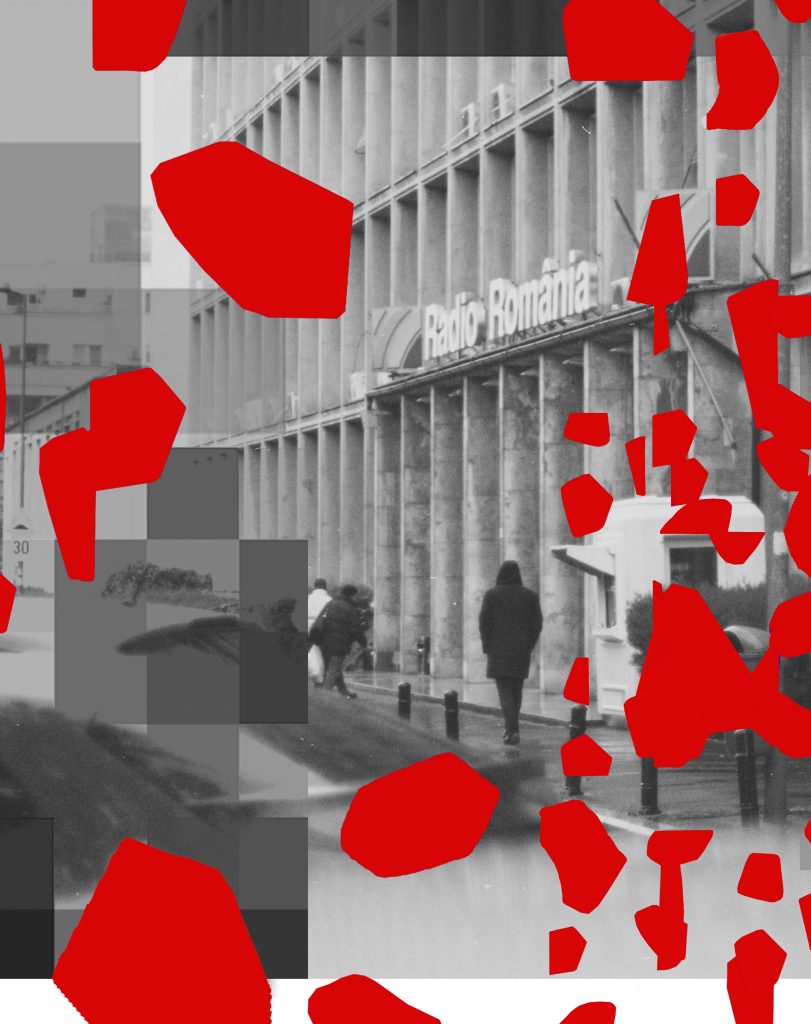
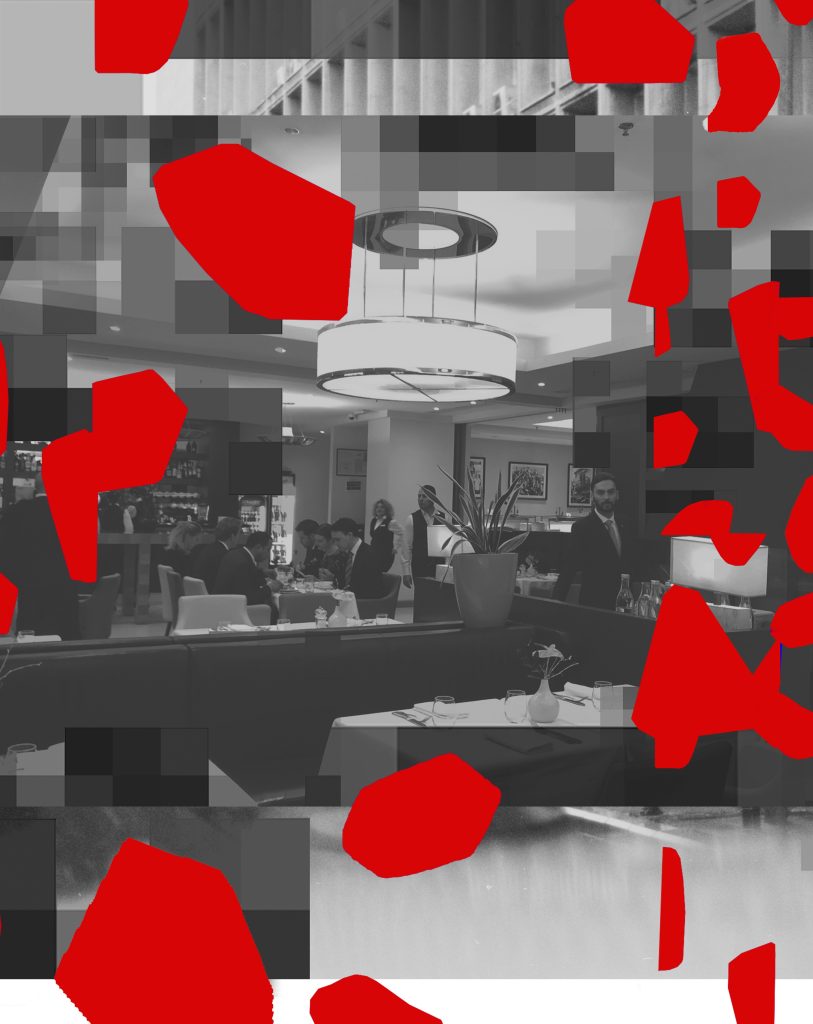
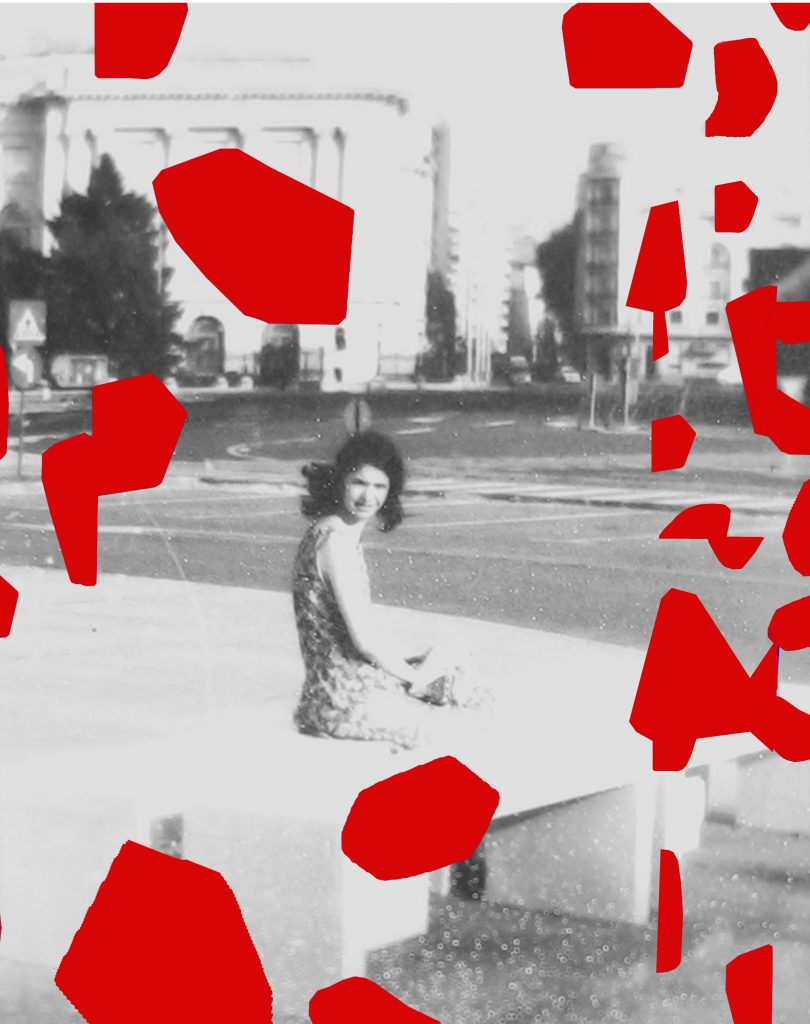
All photos made by Radu Crăciun for the performative assembly „This Diary that I Failed to Keep” (concept Maria Draghici), part of the artistic research project TabThePAST, UNATC, 2023
A transnational, interdisciplinary team of researchers sets out to study theoretical practices in the face of polycrisis under state socialism along four thematic clusters: 1) Organizing knowledge: Philosophy and socialist science; 2) Projecting a world beyond crisis: Futurology, political ecology, and global socialism; 3) Shaping new ways of seeing: Design, visual arts, and literature; 4) Ethics, praxis, and everyday life. The project draws on methodological insights from intellectual history, sociology of knowledge, social history, and the history of literature and art.
It will tell the complex story of philosophical engagement under state socialism with the challenges and opportunities of technological development, rising environmental and global consciousness, redefining the role of the arts in society, and the increasing theoretical prominence of everyday life.
Building on previous smaller-scale collaboration, the research team works towards strengthening academic ties within the region, ensuring sustainable funding into the future, and articulating the intellectual history of state socialist Europe as part of a global history of discourses on crisis still relevant today.


